



The Spine & Back Blog

As the new year begins, many people focus on improving their health by eating better, moving more, and feeling stronger. One area that’s often overlooked, however, is spine health. Your spine plays a critical role in movement, posture, and overall quality of life, and caring for it properly can help prevent pain, stiffness, and long-term problems.

At the Neuroscience & Spine Center of the Carolinas (NSSC), we believe the new year is the perfect time to prioritize a healthier spine and address back or neck pain before it becomes a bigger issue.

Resolution #1: Stop Ignoring Back and Neck Pain

New Year’s Resolutions for a Healthier SpineMany people enter the new year already dealing with lingering neck or back pain and simply learn to live with it. Pain that lasts longer than a few weeks, continues to return, or interferes with daily activities is not normal and should be evaluated.
Persistent pain may be caused by:

Early evaluation can often prevent symptoms from worsening and may reduce the need for more invasive treatment later.

Resolution #2: Improve Posture and Daily Habits

Poor posture is one of the most common contributors to spine pain, especially for people who sit for long hours at work or spend significant time on electronic devices.

  • Simple posture-focused changes can make a big difference:
  • Sit with feet flat on the floor and screens at eye level
  • Avoid prolonged sitting without breaks
  • Support your lower back while seated
  • Be mindful of neck positioning when using phones and tablets

Small adjustments, practiced consistently, can significantly reduce strain on the spine.

Resolution #3: Move More — the Right Way

Regular movement helps keep the spine flexible, strengthens supportive muscles, and improves circulation. Walking, gentle stretching, and core strengthening can all support spinal health. However, it’s important to recognize when exercise causes pain rather than relief. Sharp pain, numbness, tingling, or weakness may indicate nerve involvement and should not be ignored. If activity consistently worsens symptoms, it may be time to seek a professional evaluation.

Resolution #4: Pay Attention to Warning Signs

Some spine-related symptoms should prompt earlier medical attention, including:

  • Pain radiating into the arms or legs
  • Numbness or tingling
  • Weakness in the arms or legs
  • Difficulty with balance
  • Worsening pain despite rest or treatment

These symptoms may indicate nerve compression or structural spine issues that benefit from specialist care.

Resolution #5: Know When to See a Spine Specialist

Not all back or neck pain requires surgery. At NSSC, treatment always begins with a thorough evaluation and conservative options when appropriate. But knowing when to seek expert care is key.

Consider scheduling a spine evaluation if:

  • Pain lasts longer than 4–6 weeks
  • Symptoms are progressing or returning frequently
  • Daily activities are limited by pain
  • You experience neurologic symptoms such as weakness or numbness

Early diagnosis often allows for more treatment options and better outcomes.

A Healthier Spine Starts With the Right Care

At NSSC, patients receive comprehensive, individualized spine care guided by advanced diagnostics and evidence-based treatment plans. Our goal is always to reduce pain, restore function, and help patients return to living life fully and confidently.

This year, make your spine part of your health priorities — because living with pain shouldn’t be your normal.

To Schedule a Spine Evaluation:

Call 704-864-5550 or visit our contact page. We are Now serving patients in two North Carolina offices in Gastonia and Belmont.

The Neuroscience & Spine Center of the Carolinas (NSSC) is pleased to announce the opening of a second office location in Belmont, North Carolina, scheduled to open in January 2026. This expansion reflects our continued commitment to providing high-quality, patient-centered neurosurgical and spine care to communities throughout the region.

New Location – Opening January 2026

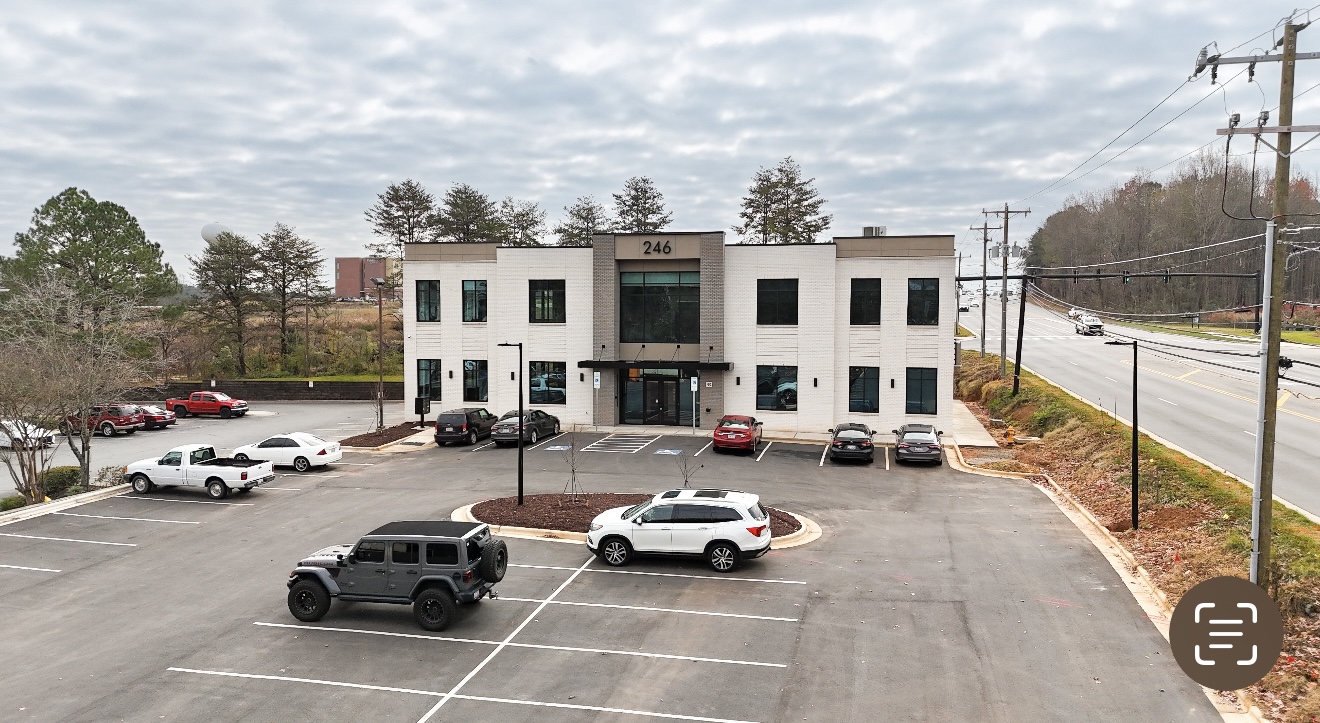
Neuroscience & Spine Center of the Carolinas Expands with New Belmont Location246 Beatty Drive, Suite 100
Belmont, North Carolina 28012

The new Belmont office will allow NSSC to better serve patients in Belmont, Mount Holly, Gastonia, Kings Mountain, Charlotte, and surrounding areas by improving access to specialized spine and neurological care in a convenient, modern setting.

Continuing a Commitment to Excellence in Spine Care

Neuroscience & Spine Center of the Carolinas (NSSC) Expands with New Belmont Office LocationUnder the leadership of Dr. William D. Hunter, MD, board-certified neurosurgeon, NSSC delivers comprehensive evaluation and treatment for a wide range of spine and neurological conditions. Our approach emphasizes individualized care plans that combine advanced diagnostics, conservative management, and surgical expertise when appropriate.

Services provided at the Belmont location will mirror the high standard of care patients expect from NSSC, including evaluation and treatment for:

Our goal is always to help patients return to daily activities with improved function, comfort, and quality of life.

Why We’re Expanding to Belmont, NC

As the demand for specialized spine and neurosurgical care continues to grow, expanding into Belmont allows NSSC to offer:

  • Greater appointment availability
  • Increased convenience for patients and referring providers
  • Continuity of care with the same trusted clinical team
  • A patient-focused environment designed for comfort and efficiency

This new location represents an important step forward in our mission to provide accessible, expert spine care across the region.

Now Accepting Appointment Inquiries

New Belmont, NC Office Opening for Neuroscience & Spine Center of the CarolinasWe look forward to welcoming patients to our new Belmont office in January 2026.

To schedule an appointment or inquire about care, visit our contact page or call us at 704-864-5550.

Additional updates, including opening details, will be shared as we prepare to open our doors.

Understanding Spinal Stenosis: Symptoms, Causes, and Treatment Options

Spinal stenosis is a condition where the spaces within your spine narrow, placing pressure on the spinal cord or nerves. At Neuroscience & Spine Center of the Carolinas (NSSC) in Gastonia, NC, we provide expert diagnosis and treatment—helping patients relieve pain, restore mobility, and improve quality of life.

Understanding Spinal Stenosis: Symptoms, Causes, and Treatment Options (NSSC, Gastonia, NC)Symptoms of Spinal Stenosis

Spinal stenosis symptoms can develop gradually and may include:

  • Back or leg pain that worsens when standing or walking
  • Numbness, tingling, or weakness in the arms, hands, legs, or feet
  • Neck pain or stiffness (cervical stenosis)
  • Difficulty walking long distances
  • Loss of bladder or bowel control in severe cases (requires immediate care)

Causes of Spinal Stenosis

The most common cause is age-related degeneration, but other factors include:

  • Arthritis and bone spurs
  • Herniated or bulging discs
  • Thickened ligaments
  • Spinal injuries or fractures
  • Congenital narrowing of the spine

Treatment Options at NSSC

We create personalized treatment plans to address each patient’s needs and lifestyle.

Non-Surgical Treatments:

  • Physical therapy
  • Anti-inflammatory medications
  • Epidural steroid injections

Surgical Options (Minimally Invasive When Possible):

  • Laminectomy
  • Foraminotomy
  • Minimally invasive decompression
  • Spinal fusion for instability

Why Choose NSSC for Spine and Back Care?

Neuroscience & Spine Center of the Carolinas - Gastonia Back Pain Treatment Experts

Looking for back or spine pain relief in the Gastonia, NC area? Contact us today and learn how we can help.

Minimally Invasive Spine Video

Minimally Invasive Spine Video


NEXT VIDEO

TRANSCRIPT:

When surgery is required for treating spine problems, we now have an array of surgery options. The Spine Clinic at Neuroscience & Spine Center of the Carolinas is a neurosurgical practice with emphasis on minimally invasive spine surgeries. Doctor William Hunter is a board certified neurosurgeon and is here to tell us more. So, Doctor Hunter, what are the advantages of minimally invasive surgery over the conventional methods? 

Minimally invasive spine techniques are very helpful to patients. As surgeons we are able to disrupt less tissue. In other words, we make the incisions smaller. We spread the muscle and not strip the muscle like we were taught in the past; therefore, the region heals better. Overall, these techniques allow for less pain post-operatively. There’s less blood loss during the surgery. The operations typically are faster, and therefore there’s less anestesia for the patient. If the surgery requires them to be in the hospital, the hospital stay is less, and the recuperation time is easier. Patients can get back to their normal activities faster. 

And tell us what kinds of problems can be treated with minimally invasive techniques? 

Well, that is the beauty of this: all parts of the spine are available. We can treat the cervical (the neck area), the thoracic, the chest area, and the lumber (the lower back area). Therefore, we can treat herniated or ruptured disks, which is a cause of sciatica. Another condition called stenosis, which is the narrowing of the canal. The signals can’t get through, and the patient has to stop, sit down, and rest before they can move again - sort of like the nerves are in a traffic jam area. We can also treat defects of the spine, like when one bone has slipped forward on top of another bone. Prior surgeries can also be treated this way. We can even treat complicated spinal reconstruction. I think it is important for patients to be aware of the planned procedure they have discussed with their surgeon. Make sure their surgeon is comfortable with these techniques (not all surgeons are), but the strongest advice is to make sure you have confidence with your spine surgeon. 

Dr. Hunter, thank you. To learn more, you can visit neurosciencecarolinas.com.